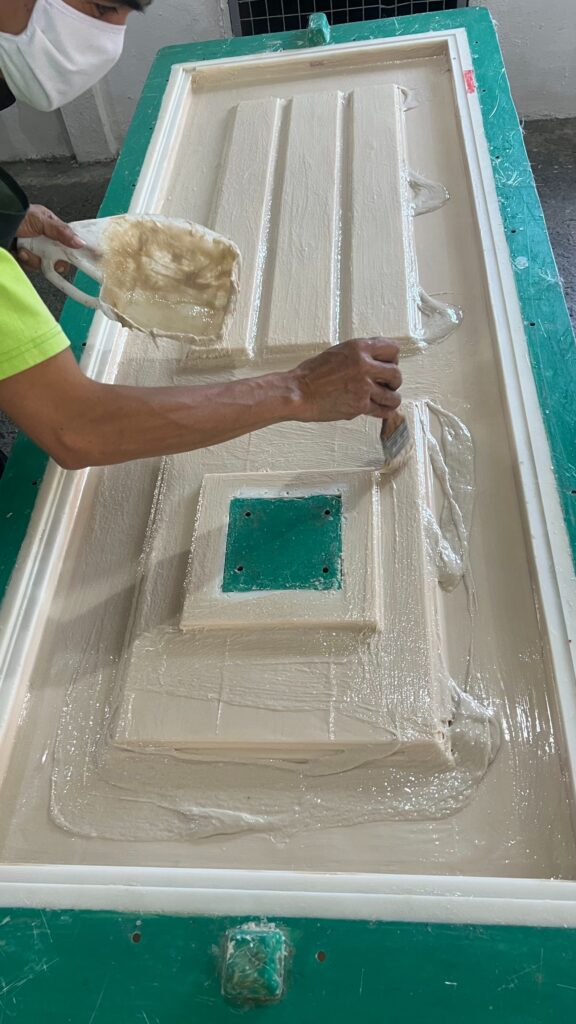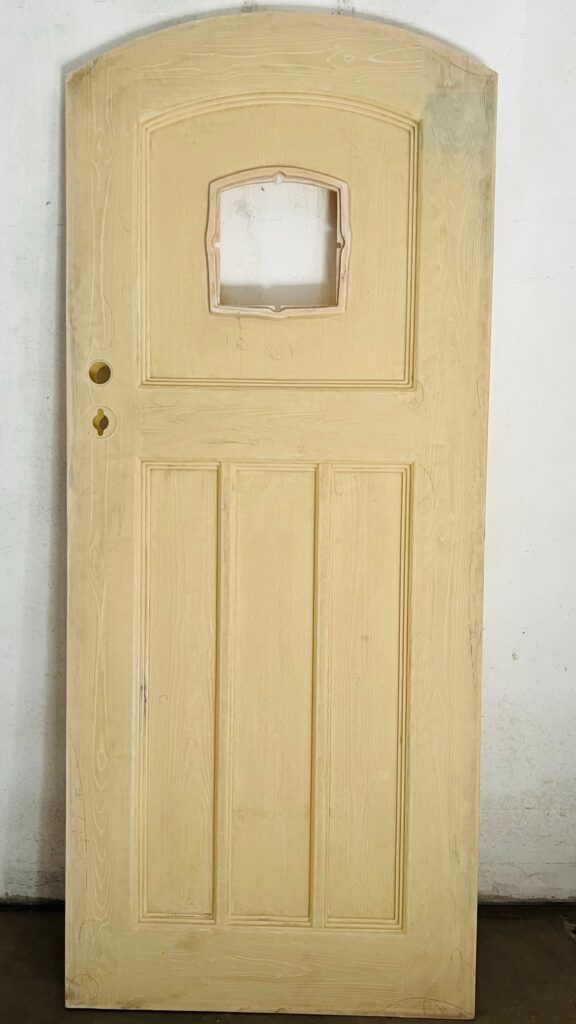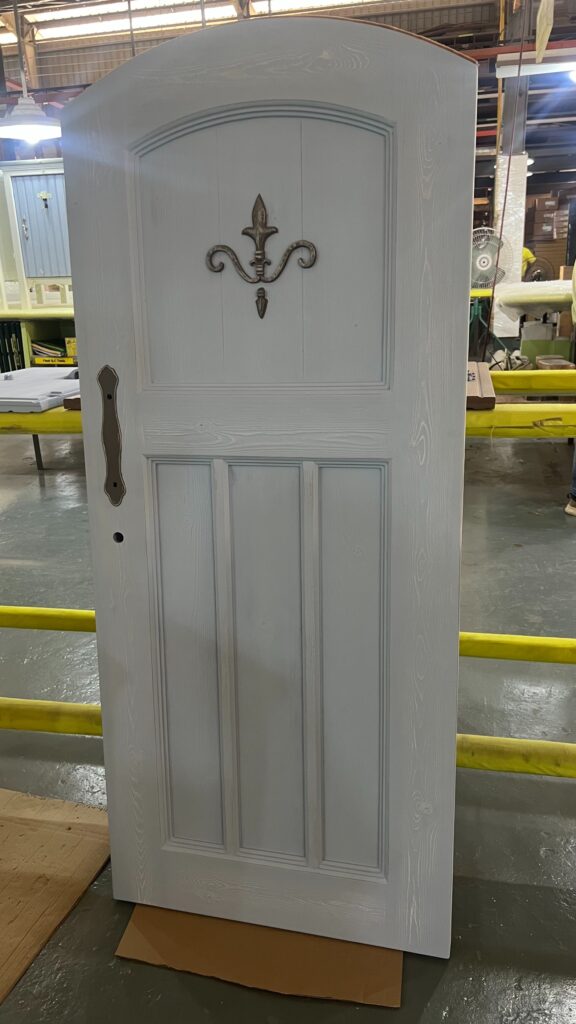
FRP products are consisting of two primary components:
Fiber (Reinforcement): Provides strength, stiffness, and structural stability (e.g., glass fiber, carbon fiber, or aramids).
Resin (Matrix): Acts as the binder that holds fibers together, protecting them and giving the product its shape (e.g., epoxy, polyester, or vinyl ester).
Durability of FRP Product’s
Corrosion Resistance: Unlike steel, FRP does not degrade when exposed to salt water, moisture, chemicals, or de-icing salts.
Environmental Stability: Properly formulated FRP resists UV degradation and temperature fluctuations.
Advantages Over Traditional Materials.
VS. Steel: Lighter, non-corrosive, and often easier to install.
VS. Wood: Does not rot, warp, or attract termites.
VS. Concrete: Lighter weight reduces structural load, and it does not crack or spall.